


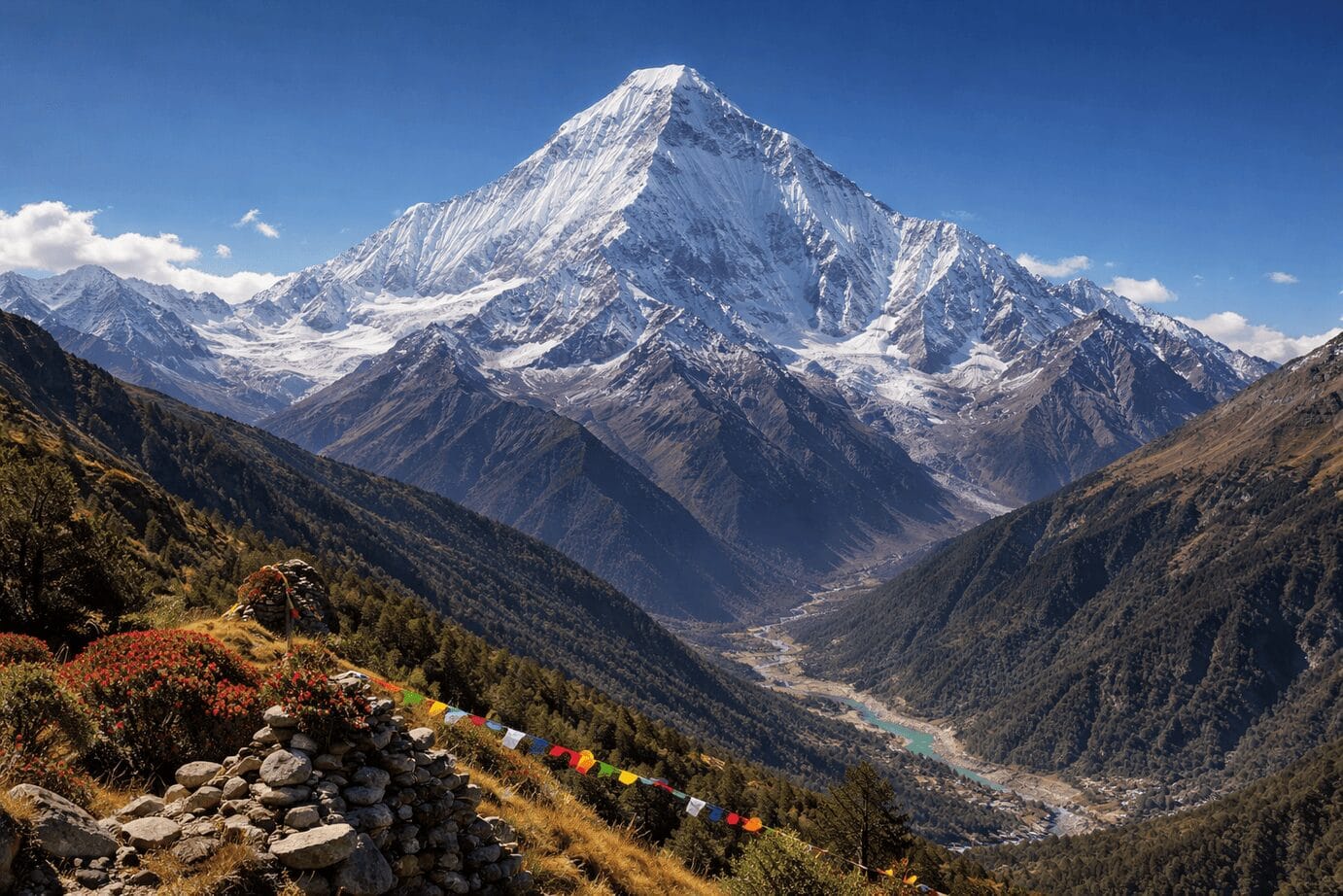
The Himalayas harbor some of Earth’s most magnificent natural wonders, and among these towering giants stands Mount Dhaulagiri Nepal, a mountain that has captivated explorers, climbers, and adventurers for generations. Rising to an astounding 8,167 meters above sea level, this formidable peak represents one of the most challenging and rewarding mountaineering objectives in the world. The name Dhaulagiri translates to “White Mountain” in Sanskrit, a fitting description for this snow-draped colossus that dominates the landscape of western Nepal.
Mount Dhaulagiri Nepal holds the distinction of being the seventh highest mountain on the planet and the eighth highest mountain when measured from its prominence. This massive peak was once believed to be the world’s highest mountain until the mid-19th century, when more accurate surveying techniques revealed the true heights of neighboring peaks. The mountain’s imposing south face rises over 4,000 meters from base to summit, creating one of the most dramatic vertical walls in the entire Himalayan range.
The Geographic Marvel of Dhaulagiri
Located in the Gandaki Province of north-central Nepal, Mount Dhaulagiri Nepal anchors the Dhaulagiri massif, a sub-range of the Himalayas that stretches for approximately 120 kilometers. The massif includes several other notable peaks, with Dhaulagiri I being the highest point. The mountain sits about 34 kilometers northwest of the famous Annapurna massif, separated by the Kali Gandaki Gorge, which is considered the deepest gorge in the world relative to the heights of the mountains on either side.
The Dhaulagiri massif consists of seven main peaks, all exceeding 7,000 meters in elevation. These include Dhaulagiri II at 7,751 meters, Dhaulagiri III at 7,715 meters, Dhaulagiri IV at 7,661 meters, and Dhaulagiri V at 7,618 meters. This concentration of ultra-high peaks creates an extraordinary landscape that challenges even the most experienced Himalayan mountaineering teams. The interconnected ridges and glaciers form a complex topography that requires careful route planning and exceptional technical skill.
The geology of Mount Dhaulagiri Nepal consists primarily of metamorphic and sedimentary rocks that were uplifted during the collision of the Indian and Eurasian tectonic plates millions of years ago. This ongoing geological process continues to shape the mountain, with the Himalayas rising approximately 5 millimeters per year. The mountain’s structure includes significant ice and snow coverage, with massive glaciers flowing down its flanks, including the notable Chhonbardan Glacier on the northeast side.
Historical Expeditions and First Ascent
The climbing history of Mount Dhaulagiri Nepal represents a fascinating chapter in mountaineering annals. Early attempts to reach the summit began in the 1950s, following Nepal’s opening to foreign expeditions. A French reconnaissance expedition in 1950 examined the mountain but deemed it too dangerous to attempt. Argentine climbers made serious attempts in 1954, but severe weather and technical difficulties forced them to retreat.
The mountain’s reputation for difficulty grew with each failed expedition attempt. Swiss teams made multiple efforts in the late 1950s, approaching from different sides but encountering formidable obstacles at every turn. The south face, with its sheer rock and ice walls, proved particularly daunting. The northeast ridge offered a slightly more feasible route, but avalanche danger and extreme altitude presented constant threats.
Success finally came on May 13, 1960, when a Swiss-Austrian Dhaulagiri expedition led by Max Eiselin reached the summit. The team included Kurt Diemberger, Peter Diener, Ernst Forrer, Albin Schelbert, Nyima Dorje, and Nawang Dorje. This historic ascent utilized the northeast ridge route, which remains one of the standard approaches today. Notably, this expedition employed an aircraft for reconnaissance and supply drops, marking an innovative approach to Himalayan mountaineering at the time.
The first ascent of Mount Dhaulagiri Nepal opened the door for future expeditions, though the mountain has never become crowded like some of its more famous neighbors. The technical demands, unpredictable weather, and objective hazards have ensured that Dhaulagiri remains a serious undertaking reserved for experienced high-altitude climbers. Various nations have since succeeded on the mountain, including American, Japanese, Polish, and Italian teams, each contributing to the evolving understanding of the mountain’s challenges.
Climbing Routes and Technical Challenges
The standard route on Mount Dhaulagiri Nepal follows the northeast ridge, the same line taken by the first ascensionists. This route begins from the Dhaulagiri base camp, typically established at around 4,700 meters on the Chhonbardan Glacier. From base camp, climbers establish a series of higher camps, usually four or five, depending on acclimatization strategy and weather conditions. The route requires crossing heavily crevassed glaciers, ascending steep snow and ice slopes, and navigating exposed ridges at extreme altitude.
Camp placements on a Dhaulagiri expedition vary among teams, but typical locations include Camp I at approximately 5,900 meters, Camp II at 6,400 meters, Camp III at 7,000 meters, and potentially a Camp IV at 7,400 meters. Some expeditions opt for an alpine-style approach with fewer camps, while others establish more comprehensive camp systems. The section between Camp II and Camp III often proves particularly challenging, with steep ice climbing and significant avalanche exposure.
Alternative routes exist on Mount Dhaulagiri Nepal, though they see far fewer attempts. The south face presents one of the most formidable walls in the Himalayas, first climbed by a Slovenian team in 1999 in a remarkable display of technical climbing prowess. The southeast ridge offers another challenging option, requiring advanced rock and ice climbing skills. The west face has seen attempts but remains one of the mountain’s most dangerous aspects due to constant rockfall and avalanche activity.
Technical requirements for climbing Mount Dhaulagiri Nepal include proficiency in glacier travel, crevasse rescue, fixed-rope ascending and descending, and high-altitude camping. Climbers must be comfortable with steep ice climbing, often at angles exceeding 50 degrees. The upper mountain frequently requires climbing in extremely thin air, where every movement becomes labored and decision-making can become impaired. Experience on other eight-thousanders is highly recommended before attempting Dhaulagiri.
Weather Patterns and Climbing Seasons
Mount Dhaulagiri Nepal experiences extreme weather conditions throughout the year, with only two relatively brief periods offering reasonable summit opportunities. The pre-monsoon season, from late April through May, represents the primary climbing window. During this time, the jet stream typically moves north, allowing for periods of stable weather. However, the approaching monsoon can bring sudden storms, and climbers must remain vigilant for deteriorating conditions.
The post-monsoon season, from late September through October, offers a secondary climbing window on Mount Dhaulagiri Nepal. This period generally features more stable weather patterns, though temperatures are considerably colder than spring. The autumn months see fewer expeditions overall, partly due to the abbreviated good-weather window before winter sets in. Wind speeds can be particularly ferocious during autumn, especially on the exposed upper sections of the mountain.
Winter ascents of Mount Dhaulagiri Nepal rank among the most difficult achievements in mountaineering. The mountain was first climbed in winter by a Polish expedition in 1985, led by Andrzej Zawada with Jerzy Kukuczka and Andrzej Czok reaching the summit on January 21. Winter conditions bring temperatures that can plunge below minus 40 degrees Celsius, hurricane-force winds, and extremely short daylight hours. Only a handful of winter ascents have succeeded, underscoring the extreme difficulty of this undertaking.
Precipitation patterns around Mount Dhaulagiri Nepal follow the typical monsoon cycle that affects the entire Himalayan region. The summer monsoon, from June through September, brings heavy snowfall to the mountain, making climbing virtually impossible and extremely dangerous. Snow accumulation during this period creates unstable slopes prone to avalanches. The pre-monsoon and post-monsoon periods offer comparatively drier conditions, though afternoon snowfall remains common even during these seasons.
Preparing for a Dhaulagiri Expedition
Physical preparation for a Dhaulagiri expedition demands months, if not years, of dedicated training. Climbers must develop exceptional cardiovascular endurance, muscular strength, and mental resilience. Training programs typically include long-distance hiking with heavy loads, altitude training when possible, technical climbing practice, and comprehensive fitness routines. Previous experience on progressively higher peaks provides essential preparation, with many climbers working their way up through peaks like Island Peak, Mera Peak, and other seven-thousanders before attempting an eight-thousander.
Mental preparation proves equally important for Mount Dhaulagiri Nepal expeditions. The psychological challenges of spending weeks at extreme altitude, living in harsh conditions, and facing constant physical discomfort test even experienced mountaineers. Climbers must prepare for extended periods away from family and normal life, potential expedition tensions, and the difficult decisions required when conditions deteriorate. Meditation, visualization, and mental training techniques help develop the psychological tools necessary for success and survival.
Equipment requirements for climbing Mount Dhaulagiri Nepal are extensive and specialized. Climbers need mountaineering boots rated for extreme cold, multiple layers of insulated clothing, high-altitude sleeping bags rated to minus 40 degrees Celsius, expedition-quality tents, stoves capable of melting snow at altitude, oxygen systems for summit attempts, and comprehensive safety equipment including harnesses, ice axes, crampons, and avalanche transceivers. The total equipment weight can exceed 30 kilograms per person, not including shared team gear.
Selecting the right expedition operator significantly impacts the success and safety of a Mount Dhaulagiri Nepal climb. Reputable operators provide experienced Sherpa support, comprehensive logistics, quality equipment, established camp infrastructure, and proven safety protocols. Costs for commercial Dhaulagiri expeditions typically range from $20,000 to $50,000 or more per person, depending on the level of service, group size, and included amenities. Independent expeditions require obtaining permits, arranging logistics, and managing all aspects of the climb personally.
The Dhaulagiri Base Camp Trek
For those not ready to summit Mount Dhaulagiri Nepal, the Dhaulagiri base camp trek offers an extraordinary adventure that showcases the mountain’s majesty without requiring technical climbing skills. This challenging trek typically takes 15 to 20 days, depending on the specific route and acclimatization schedule. The journey traverses diverse landscapes, from terraced farmland and subtropical forests to high alpine meadows and glacier moraines.
The traditional approach to Dhaulagiri base camp begins in Beni, a town accessible by road from Pokhara. Trekkers follow the Myagdi Khola valley, passing through traditional Nepali villages where life continues much as it has for generations. The trail climbs through rhododendron and bamboo forests, offering spectacular views of the surrounding peaks. Villages like Darbang, Dharapani, and Muri provide overnight stops where trekkers can experience local hospitality and culture.
As the trek progresses toward Mount Dhaulagiri Nepal, the landscape becomes increasingly dramatic. The trail crosses several high passes, with the French Pass (5,360 meters) and Dhampus Pass (5,200 meters) presenting significant challenges that require good physical conditioning and proper acclimatization. These high-altitude crossings offer breathtaking panoramic views of the Dhaulagiri massif, Annapurna range, and countless other Himalayan peaks stretching to the horizon.
Reaching Dhaulagiri base camp at approximately 4,700 meters rewards trekkers with an up-close encounter with one of Earth’s giant mountains. The base camp sits on moraine beside the Chhonbardan Glacier, surrounded by towering ice walls and dramatic mountain scenery. During climbing season, the base camp becomes a small temporary village, with expedition tents, dining shelters, and the constant activity of teams preparing for summit attempts. Off-season visitors enjoy a more solitary experience in this remote and spectacular location.
Flora, Fauna, and Environmental Considerations
The ecological zones surrounding Mount Dhaulagiri Nepal support diverse plant and animal life adapted to harsh Himalayan conditions. Lower elevations feature rich subtropical and temperate forests dominated by oak, rhododendron, bamboo, and various conifers. During spring, the rhododendron forests burst into spectacular bloom, painting entire hillsides in shades of red, pink, and white. These forests provide habitat for numerous bird species, including pheasants, eagles, and various songbirds.
As elevation increases around Mount Dhaulagiri Nepal, vegetation becomes increasingly sparse and adapted to extreme conditions. Alpine meadows support hardy grasses, wildflowers, and cushion plants that bloom briefly during summer months. Above the treeline, only the toughest lichens and mosses survive on rocks and protected niches. These high-altitude zones appear barren but support surprising biodiversity when examined closely.
Wildlife in the Dhaulagiri region includes several notable species, though sightings require patience and luck. The Himalayan tahr, a large wild goat, inhabits steep slopes and rocky areas. Blue sheep, also called bharal, graze on high-altitude pastures. Predators include the elusive snow leopard, though these magnificent cats are rarely seen. Smaller mammals like marmots, pikas, and various species of mice and voles occupy specific ecological niches throughout the elevation range.
Environmental challenges facing Mount Dhaulagiri Nepal include the impacts of climate change, which has accelerated glacial retreat throughout the Himalayas. Studies show that Himalayan glaciers have lost significant mass over recent decades, affecting water resources for millions of people downstream. Expedition waste and increasing human traffic also pose environmental concerns, though efforts have improved waste management practices. Several organizations now require expeditions to carry out all waste, and some conduct regular cleanup operations to remove accumulated trash from base camps and high camps.
Cultural Significance and Local Communities
The communities living in the shadow of Mount Dhaulagiri Nepal maintain rich cultural traditions rooted in Tibetan Buddhism and animist beliefs. Villages throughout the region feature Buddhist monasteries, prayer walls, and chortens that reflect the spiritual significance of the mountains. Local people traditionally view high peaks as dwelling places of deities and spirits, treating them with reverence and respect. This spiritual relationship with the mountains influences how communities interact with climbers and trekkers visiting the region.
The economy of villages near Mount Dhaulagiri Nepal has increasingly incorporated tourism alongside traditional agriculture and animal husbandry. Many families now operate teahouses and lodges catering to trekkers, providing crucial income that supplements farming. Younger generation members often work as porters, guides, and expedition staff, gaining income opportunities that were unavailable to previous generations. This economic transformation brings both benefits and challenges as traditional lifestyles adapt to modern influences.
Sherpa and other ethnic communities have become integral to Himalayan mountaineering, and Mount Dhaulagiri Nepal expeditions rely heavily on their expertise and support. Climbing Sherpas establish routes, fix ropes, carry loads, and often make crucial decisions that determine expedition success and safety. Their deep knowledge of mountain conditions, weather patterns, and high-altitude survival proves invaluable. The contributions of Sherpa climbers deserve recognition beyond their traditional role as support staff, as many rank among the world’s most accomplished mountaineers.
Cultural festivals and religious ceremonies continue throughout the year in villages near Mount Dhaulagiri Nepal, offering visitors opportunities to experience authentic Himalayan culture. The Mani Rimdu festival, celebrated at various monasteries, features elaborate dances, rituals, and religious teachings. Losar, the Tibetan New Year, brings communities together for celebrations that blend religious observance with social festivity. Participating in or observing these cultural events enriches the experience of visiting this remarkable region.
Safety, Risks, and Responsible Climbing
The dangers inherent in climbing Mount Dhaulagiri Nepal demand serious consideration and respect. Objective hazards include avalanches, which account for numerous accidents and fatalities on the mountain. The heavily glaciated terrain presents constant crevasse danger, requiring teams to maintain vigilance and proper rope techniques. Rockfall, particularly on the south face and certain couloirs, poses additional risks. Weather can deteriorate rapidly, trapping climbers in life-threatening conditions with little warning.
Altitude-related illnesses represent another significant risk category on Mount Dhaulagiri Nepal. Acute mountain sickness affects most climbers to some degree, while more serious conditions like high-altitude pulmonary edema and high-altitude cerebral edema can prove fatal if not recognized and treated promptly. Proper acclimatization protocols, gradual ascent rates, and close attention to symptoms help mitigate these risks. Many expeditions employ supplemental oxygen for summit attempts and emergency situations.
Frostbite and hypothermia threaten climbers on Mount Dhaulagiri Nepal, particularly during summit pushes and unexpected weather events. Extreme cold, wind, and altitude combine to create conditions where exposed skin can freeze in minutes. Maintaining adequate hydration, nutrition, and warmth requires constant attention. Climbers must make difficult decisions about turning back when conditions exceed safe limits, prioritizing survival over summit ambitions.
Responsible climbing practices on Mount Dhaulagiri Nepal extend beyond personal safety to environmental stewardship and cultural respect. Modern expeditions should implement comprehensive waste management systems, removing all trash and human waste from the mountain. Minimizing environmental impact includes using established campsites, avoiding unnecessary disturbance to fragile alpine ecosystems, and supporting local conservation initiatives. Respecting local customs, supporting community economies fairly, and promoting sustainable tourism practices ensure that future generations can also experience this extraordinary mountain.
The Future of Dhaulagiri
Mount Dhaulagiri Nepal faces an uncertain future as climate change accelerates throughout the Himalayan region. Rising temperatures have already altered climbing conditions, with increased rockfall from thawing permafrost and more unpredictable weather patterns. Glacial retreat changes access routes and increases objective hazards in some areas. Scientists project that Himalayan glaciers could lose significant mass by century’s end, fundamentally altering the character of these mountains and affecting water resources for millions of people.
Tourism development around Mount Dhaulagiri Nepal continues to evolve, balancing economic opportunities with environmental conservation and cultural preservation. Improved infrastructure has made the region more accessible, bringing increased visitor numbers and economic benefits to local communities. However, managing this growth sustainably requires careful planning, adequate facilities, and policies that protect the environment while supporting local development. The challenge lies in allowing people to experience these magnificent mountains while preserving their wild character.
Mountaineering on Mount Dhaulagiri Nepal will likely continue attracting experienced climbers seeking the challenge of one of the world’s great peaks. Advances in equipment, weather forecasting, and safety protocols may improve success rates and reduce accidents, though the mountain will always present serious risks. The climbing community must continue developing and following best practices for environmental responsibility, including waste removal, minimal impact camping, and support for local communities.
Conservation efforts increasingly focus on protecting the unique ecosystems and cultural heritage of the Dhaulagiri region. Protected area designations, community-based conservation programs, and sustainable development initiatives aim to balance preservation with human needs. International organizations, the Nepali government, and local communities collaborate on programs addressing climate change impacts, waste management, and sustainable tourism development. The success of these efforts will determine whether future generations can experience Mount Dhaulagiri Nepal in all its magnificent glory.
Standing at 8,167 meters, Mount Dhaulagiri Nepal remains one of Earth’s most impressive natural monuments, a testament to the raw power of geological forces and the enduring allure of the mountains. Whether viewed from a distant valley, experienced through a challenging trek to base camp, or attempted by skilled climbers, Dhaulagiri commands respect and wonder. This white mountain has tested explorers for generations and will continue inspiring adventurers who seek to touch the roof of the world.
Sources
https://www.himalayandatabase.com
https://www.nepalmountaineering.org
https://www.8000ers.com/cms/en/8000ers-mainmenu-205/dhaulagiri-mainmenu-211.html
https://www.britannica.com/place/Dhaulagiri
https://www.nationalgeographic.com/environment/article/himalaya
https://www.mountainiq.com/mountains/dhaulagiri
More from The Daily Mesh:
- Why Mount Hood Oregon Should Be Your Next Adventure Destination
- Top 10 Unsolved Problems in Mathematics
- Kissing Bugs Spreading Chagas Disease: An Emerging Public Health Risk in the U.S.