


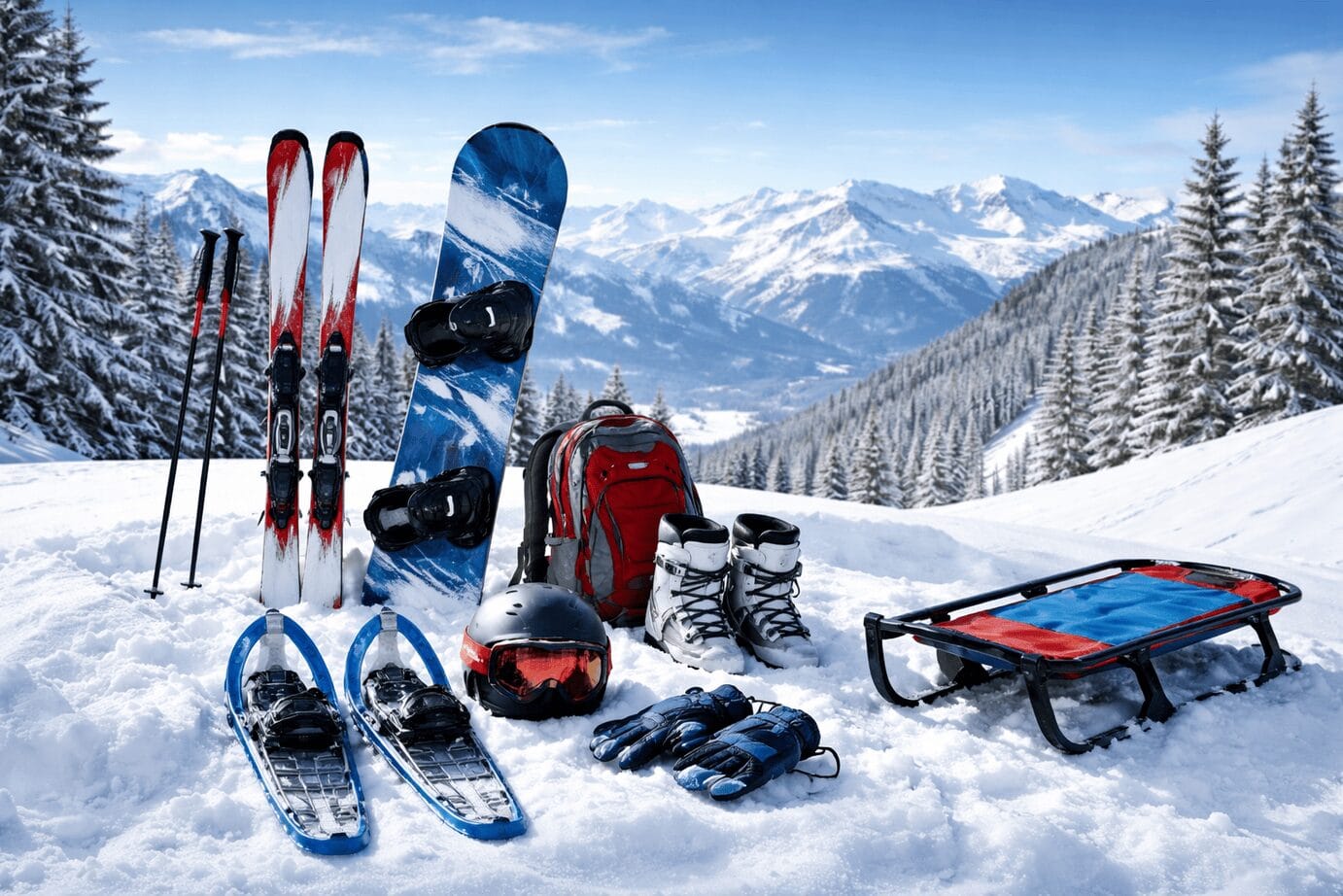
The crisp mountain air, the sound of skis carving through fresh powder, and the exhilaration of gliding down snow-covered slopes—winter sports offer some of the most thrilling experiences nature has to offer. Whether you’re contemplating your first trip to the mountains or looking to expand your cold-weather athletic repertoire, understanding the fundamentals of winter sports can transform your entire experience. This comprehensive Winter Sports 101 guide will walk you through everything you need to know to confidently embrace the snowy season.
Understanding the World of Winter Sports
Winter sports encompass a diverse range of activities that take advantage of snow and ice conditions. From adrenaline-pumping downhill skiing to the graceful movements of figure skating, these sports have captivated enthusiasts for generations. The beauty of winter sports lies not only in the physical challenge they present but also in the unique connection they foster between athletes and winter landscapes.
For beginners entering the Winter Sports 101 journey, it’s essential to recognize that these activities require specific skills, equipment, and safety awareness. Unlike summer sports, winter activities demand adaptation to cold temperatures, variable snow conditions, and specialized gear. However, with proper instruction and gradual progression, anyone can learn to enjoy these magnificent pursuits.
Alpine Skiing: The Classic Winter Sport
Alpine skiing remains one of the most popular winter sports worldwide, attracting millions of enthusiasts to mountain resorts each year. This discipline involves descending snow-covered slopes on skis, with bindings that attach at both the toe and heel. For those new to Winter Sports 101, skiing offers an accessible entry point with lessons available at virtually every mountain resort.
Beginning skiers start on gentle slopes called bunny hills, where they learn fundamental techniques like the snowplow or wedge turn. This basic stance involves pointing the ski tips together while keeping the tails apart, creating a triangular shape that allows for speed control and turning. As confidence builds, skiers progress to parallel turns, where skis remain side by side throughout the turn, enabling smoother, faster descents.
Modern ski resorts categorize trails by difficulty using a color-coded system. Green circles indicate beginner slopes with gentle gradients, blue squares represent intermediate terrain, black diamonds mark advanced runs with steeper pitches and potential obstacles, and double black diamonds designate expert-only territory. Understanding this classification system is fundamental to any Winter Sports 101 education.
The equipment required for skiing includes skis, boots, poles, and appropriate clothing. Ski boots are rigid plastic shells that connect your legs directly to the skis, providing the control necessary for turning and stopping. While the boots may feel uncomfortable initially, proper fitting is crucial for both performance and safety. Many newcomers to winter sports choose to rent equipment for their first several outings before investing in personal gear.
Snowboarding: The Modern Alternative
Snowboarding emerged as a revolutionary winter sport in the 1960s and gained mainstream acceptance by the 1980s. Unlike skiing, snowboarding involves standing sideways on a single board with both feet secured by bindings. This sideways stance initially feels unnatural to many beginners, but with persistence, snowboarding becomes an incredibly fluid and expressive way to navigate mountains.
Learning to snowboard typically involves more falls during the initial stages compared to skiing. Because both feet are attached to one board, maintaining balance requires developing entirely new muscle memory. However, many instructors argue that once basic competency is achieved, snowboarders progress more quickly than skiers in certain aspects of the sport.
The Winter Sports 101 approach to snowboarding emphasizes starting on very gentle slopes and mastering two fundamental techniques: the heel-side turn and toe-side turn. Heel-side turns involve leaning back slightly and applying pressure through your heels, while toe-side turns require leaning forward and pressing down through your toes. Linking these two movements creates the graceful S-shaped pattern snowboarders carve down mountains.
Snowboard equipment consists of the board itself, boots, and bindings. Unlike rigid ski boots, snowboard boots offer more flexibility and comfort, resembling winter boots with added ankle support. The bindings secure the boots to the board and come in various styles, with strap bindings being the most common for beginners. Protective gear, particularly wrist guards and padded shorts, can significantly reduce injury during the learning process.
Cross-Country Skiing: The Endurance Challenge
Cross-country skiing, also called Nordic skiing, provides a completely different experience from downhill disciplines. Rather than relying on gravity for speed, cross-country skiers propel themselves across relatively flat or gently rolling terrain using a gliding motion. This activity offers an outstanding cardiovascular workout while allowing participants to explore peaceful winter landscapes away from crowded resorts.
Two main techniques dominate cross-country skiing: classic and skate skiing. Classic technique involves skiing in set tracks with a forward-and-back striding motion, while skate skiing resembles ice skating and takes place on groomed, track-free snow. For Winter Sports 101 purposes, most beginners find classic technique more intuitive and less physically demanding initially.
Cross-country skiing requires less specialized equipment than alpine skiing, making it a more accessible and affordable option for many people. The skis are longer and narrower than downhill skis, and the boots attach only at the toe, allowing the heel to lift with each stride. Many public parks and golf courses offer groomed cross-country trails, eliminating the need for expensive lift tickets.
Ice Skating: Grace on Frozen Water
Ice skating represents one of the most accessible winter sports, requiring only skates and access to a frozen surface. Whether on natural ice or artificial rinks, skating combines athleticism with artistic expression. The Winter Sports 101 foundation for skating begins with learning to balance on the thin blades and developing the push-and-glide motion that propels skaters forward.
Figure skating and ice hockey represent the two major branches of skating sports. Figure skating emphasizes jumps, spins, and choreographed movements, while hockey focuses on speed, agility, and teamwork. Recreational skating falls somewhere between these extremes, offering simple enjoyment without competitive pressure.
Beginning skaters should focus on maintaining proper posture with knees slightly bent and weight centered over the skates. The pushing motion comes from the edges of the blades rather than the toe picks. Many indoor rinks offer beginner classes and skating aids that help newcomers develop confidence before venturing onto natural ice surfaces.
Essential Equipment and Clothing
Understanding proper winter sports equipment is crucial for safety and enjoyment. The layering system forms the foundation of appropriate cold-weather clothing. Base layers made from moisture-wicking synthetic materials or merino wool sit directly against the skin, drawing sweat away from the body. Mid-layers provide insulation, typically using fleece or down materials. Outer layers must be waterproof and windproof while allowing moisture to escape.
Helmets have become standard equipment across most winter sports disciplines. Modern ski and snowboard helmets offer excellent protection without sacrificing comfort or peripheral vision. Many resorts now require helmets for children and strongly recommend them for adults. Given the serious nature of head injuries, wearing a helmet should be non-negotiable for anyone participating in winter sports.
Goggles protect eyes from wind, snow, and harmful UV radiation, which intensifies at high altitude. Different lens tints optimize visibility in various light conditions, with darker lenses for bright days and lighter or yellow-tinted lenses for overcast conditions or night skiing. Quality goggles prevent fogging through ventilation systems and anti-fog coatings.
Gloves or mittens must balance warmth with dexterity. Mittens generally provide superior warmth because fingers share heat, while gloves offer better dexterity for handling equipment and adjusting gear. Many winter sports enthusiasts carry both options, switching based on temperature and activity demands.
Safety Considerations and Mountain Awareness
Safety awareness separates enjoyable winter sports experiences from potentially dangerous situations. Understanding mountain conditions, weather patterns, and personal limitations prevents the majority of winter sports injuries. The Winter Sports 101 approach to safety emphasizes gradual progression, proper instruction, and respect for the mountain environment.
Avalanche awareness becomes critical for anyone venturing beyond marked resort boundaries. Even experienced winter sports participants can fall victim to avalanches, making education essential. Backcountry enthusiasts should complete avalanche safety courses, carry appropriate safety equipment including beacons and shovels, and never travel alone in avalanche terrain.
Weather conditions in mountains change rapidly, and what begins as a beautiful day can deteriorate into dangerous whiteout conditions within hours. Checking weather forecasts before heading out, understanding basic meteorology, and knowing when to call it a day all contribute to safe winter sports participation.
Dehydration and altitude sickness affect many winter sports participants, particularly those traveling from sea level to high-elevation resorts. The combination of dry mountain air, physical exertion, and reduced oxygen at altitude requires increased water intake and potentially slower pacing until acclimatization occurs.
Physical Preparation and Fitness
Winter sports demand significant physical fitness, engaging muscle groups that often remain dormant during other activities. Pre-season conditioning helps prevent injuries and increases enjoyment by building the strength and endurance necessary for extended time on snow. A comprehensive Winter Sports 101 approach includes preparation that begins weeks before the first mountain visit.
Leg strength forms the foundation of most winter sports performance. Squats, lunges, and wall sits build the quadriceps, hamstrings, and glutes that control turns and absorb the impact of varied terrain. Core strength provides stability and balance, making planks, Russian twists, and stability ball exercises valuable additions to training routines.
Cardiovascular fitness determines how long participants can enjoy winter sports before fatigue sets in. Running, cycling, or stair climbing in the weeks leading up to ski season builds the aerobic base necessary for full days on the mountain. Even experienced athletes find that winter sports use muscles differently than other activities, making specific preparation valuable.
Flexibility often receives insufficient attention in winter sports preparation, yet tight muscles and limited range of motion increase injury risk. Regular stretching, yoga, or dynamic warm-up routines before hitting the slopes prepare the body for the demands ahead while promoting recovery between sessions.
Taking Lessons: The Fast Track to Competence
Professional instruction accelerates learning while establishing proper technique from the beginning. Many self-taught winter sports participants develop bad habits that limit progression and increase injury risk. Investing in lessons during the initial stages provides returns that last a lifetime.
Group lessons offer affordable instruction while providing the social aspect of learning alongside others at similar skill levels. The shared experience often reduces anxiety and creates camaraderie among participants. Private lessons cost more but deliver personalized attention and faster progression, particularly valuable for those with specific goals or limited vacation time.
Most resorts offer multi-day lesson packages that build skills progressively across several sessions. This approach reinforces concepts and allows practice time between instruction periods. Many Winter Sports 101 graduates discover that returning for intermediate or advanced lessons after a season or two of independent practice helps break through plateaus and refines technique.
Children often learn winter sports more quickly than adults, partly due to lower centers of gravity and fearlessness that decreases with age. Specialized children’s programs use games and activities to make learning fun while developing fundamental skills. Many lifelong winter sports enthusiasts trace their passion to positive early experiences in youth programs.
Choosing the Right Resort and Terrain
Not all ski resorts cater equally to beginners, and selecting an appropriate destination significantly impacts the learning experience. Resorts known for extensive beginner terrain, gentle slopes, and quality instruction provide better environments for those new to winter sports than destinations catering primarily to experts.
Researching trail maps before arrival helps identify learning zones and appropriate progression routes. Resorts typically concentrate beginner areas near base facilities, offering easy access to lodges, restrooms, and food service. These areas also feature slower, shorter lifts that feel less intimidating to newcomers.
Understanding lift systems represents an important component of Winter Sports 101 education. Surface lifts like rope tows and magic carpets work well for first-timers, requiring only basic balance. Chairlifts demand more confidence, particularly when loading and unloading, though modern detachable lifts slow significantly at terminals to ease the process.
Mid-week visits typically offer less crowded conditions than weekends, providing more space for beginners to practice without the stress of busy slopes. Early season also tends to be quieter, though natural snow conditions may be limited. Many resorts offer discounted rates during these periods, making them financially attractive for those learning winter sports.
The Social and Cultural Aspects
Winter sports foster unique social bonds through shared experiences in beautiful mountain environments. Chairlift conversations with strangers, warming up together in lodges, and the collective excitement of powder days create connections that transcend typical social boundaries. This community aspect draws many people beyond the purely athletic components of winter sports.
Apres-ski culture—the socializing that occurs after a day on the slopes—represents an integral part of mountain resort life. Whether sharing stories over hot chocolate or celebrating at resort bars, these gatherings allow participants to connect, decompress, and relive the day’s adventures. For many, these social moments become as memorable as the skiing or snowboarding itself.
Environmental stewardship has become increasingly important within winter sports communities. Many resorts and organizations promote sustainable practices, recognizing that climate change threatens the very snow conditions these sports require. Participating in winter sports often cultivates deeper appreciation for mountain ecosystems and motivates environmental advocacy.
Moving Beyond the Basics
Once fundamental skills become comfortable, the vast world of winter sports opens up with endless possibilities for progression and exploration. Terrain parks offer features like rails, boxes, and jumps for those interested in freestyle skiing or snowboarding. Mogul runs challenge skiers with rhythmic bumps requiring quick, precise turns. Tree skiing provides powder stashes and the thrill of navigating natural obstacles.
Backcountry and off-piste skiing represent the ultimate expression of winter sports for many enthusiasts. These pursuits require additional skills including navigation, avalanche safety, and self-sufficiency far from resort infrastructure. Splitboarding allows snowboarders to access backcountry terrain using boards that separate into ski-like climbing mode before reconnecting for descents.
Racing, whether recreational or competitive, appeals to those who enjoy measuring performance and pushing speed limits. Many resorts offer public race courses where anyone can test themselves against the clock. NASTAR and other recreational racing leagues provide structured competition without the intensity of serious racing programs.
The Economic Investment
Understanding the financial commitment required for winter sports helps set realistic expectations and prevents budget-related disappointment. Lift tickets at major resorts can cost upwards of one hundred dollars per day, though multi-day packages, season passes, and advance purchases offer savings. Equipment rental adds to daily costs but eliminates the larger investment of purchasing gear before knowing whether winter sports will become a lasting passion.
Season passes revolutionize the economics of winter sports for committed participants. While representing significant upfront investment, unlimited access to slopes quickly pays for itself through frequent use. Many pass programs include reciprocal benefits at multiple resorts, dramatically expanding terrain options without additional per-day costs.
Budget-conscious winter sports enthusiasts can significantly reduce expenses through strategic planning. Smaller, regional hills offer much lower prices than destination resorts while providing excellent learning environments. Purchasing used equipment, buying during off-season sales, and carpooling to mountains all help manage costs. Many people discover that winter sports become more affordable than initially anticipated once they develop smart shopping and planning habits.
Conclusion: Beginning Your Winter Sports Journey
Embarking on winter sports adventures requires courage, persistence, and willingness to embrace temporary discomfort during the learning phase. However, few pursuits offer the unique combination of physical challenge, natural beauty, and pure exhilaration that winter sports provide. The comprehensive Winter Sports 101 foundation outlined in this guide prepares you to take those first slides down snowy slopes with confidence and awareness.
Remember that everyone progresses at their own pace, and comparing yourself to others only diminishes enjoyment. Focus on personal improvement, celebrate small victories, and maintain patience during inevitable setbacks. The falls, awkward moments, and tired muscles represent investments in skills that will bring joy for years or even decades to come.
Winter transforms landscapes into pristine playgrounds, and winter sports provide the keys to unlocking these magical environments. Whether you choose skiing, snowboarding, skating, or any other snow-based activity, the Winter Sports 101 principles of proper preparation, quality instruction, appropriate equipment, and safety awareness will guide your journey. The mountains are calling—answer with enthusiasm, respect, and the knowledge that extraordinary experiences await those willing to step into the snow.
Sources
https://www.ski.com/winter-sports-guide
https://www.rei.com/learn/expert-advice/downhill-skiing-101.html
https://www.backcountry.com/explore/train-for-ski-season
More from The Daily Mesh:
- Mount Manaslu Nepal: The Complete Guide to the Mountain of the Spirit
- Largest Black Hole Merger Detected By LIGO-Virgo-KAGRA Collaboration
- The Language Revival Movement: Saving Indigenous Tongues from Extinction