


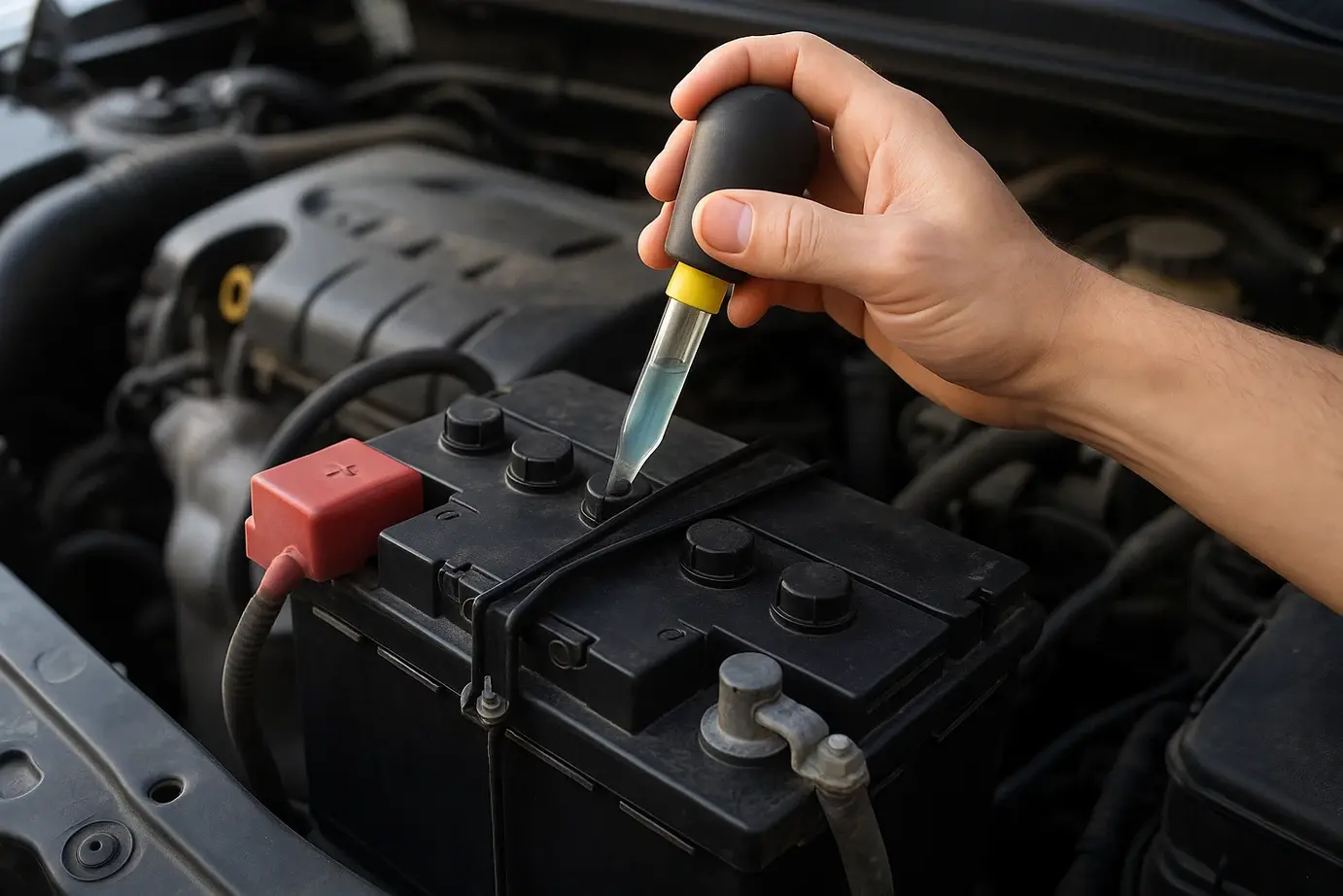
Every vehicle—from compact cars to SUVs and trucks—relies on its battery to function properly. Yet, the battery is one of the most neglected components in the automotive world. To maintain your car battery is to ensure your vehicle starts reliably, your electronics run smoothly, and your system stays healthy for years.
The key to extending your car battery lifespan lies in regular inspection, cleaning, proper charging, and awareness of your driving habits. Let’s explore each factor in depth and provide global best practices that apply regardless of whether you drive in the snowy streets of Canada, the deserts of Dubai, or the humid tropics of Singapore.
Why It’s Essential to Maintain Your Car Battery
Think of your car battery as the heart of your vehicle’s electrical system. It powers the starter motor, ignition system, lights, air conditioning, navigation, and even the smart sensors in modern vehicles. Neglect it, and the results can be frustrating—dim lights, slow engine cranks, or a car that simply won’t start.
Batteries naturally degrade with time, but lack of care accelerates that decline. Studies from the American Automobile Association (AAA) reveal that battery-related issues are among the top causes of roadside breakdowns. Regular maintenance can easily prevent most of these incidents.
Source: AAA Battery Maintenance Guide
When you maintain your car battery, you’re not just extending its life—you’re improving fuel efficiency (since the alternator won’t need to overwork), saving money, and minimizing environmental waste from premature replacements.
What Shortens the Life of a Car Battery
Before we dive into how to extend your car battery lifespan, it’s important to understand what causes premature wear.
1. Temperature Extremes
Climate has a massive impact on battery health. Hot weather accelerates chemical reactions inside the battery, increasing corrosion and water loss in the electrolyte. In contrast, extremely cold weather thickens the engine oil and reduces the battery’s ability to provide current, often leading to hard starts or no starts at all.
If you live in hot climates, inspect your battery frequently for swelling or leakage. For those in colder regions, consider a battery heater or insulation wrap to maintain optimal operating temperatures.
Source: Kal Tire – Battery Care in Hot and Cold Climates
2. Short Trips and Undercharging
If your daily commute involves only short trips, your alternator never gets the chance to fully recharge the battery. Over time, this leads to sulfation—a buildup of lead sulfate crystals on the battery’s internal plates. Sulfation is the number one enemy of battery longevity, reducing capacity and making it harder for the battery to hold charge.
To combat this, incorporate a weekly long drive of 30–40 minutes or invest in a battery charge maintenance device (also known as a trickle charger). This keeps your battery fully charged even when the vehicle isn’t driven often.
Source: Nationwide – Extend Your Car Battery Life
3. Corrosion and Loose Connections
Battery terminal corrosion occurs when sulfuric acid vapor interacts with the metal terminals, creating a bluish or white powdery buildup. This corrosion increases electrical resistance, making it harder for the battery to transfer power efficiently. Loose terminals worsen this problem by creating unstable connections that can cause voltage drops or prevent charging altogether.
Regular cleaning is crucial. Using a baking soda solution or specialized terminal cleaner can remove corrosion and restore conductivity. Apply anti-corrosion grease afterward to prevent recurrence.
Source: Chevrolet Battery Care Guide
4. Excessive Vibration
A loose battery mount can cause severe internal damage. The vibrations can crack lead plates, break welds, or dislodge internal connectors. Always ensure your battery is securely fastened using the manufacturer’s recommended hold-down clamps.
In regions with rough roads, check your mounting regularly. The tighter and more stable your battery sits, the longer it will last.
Source: AAA – Battery Vibration and Safety
5. Parasitic Drains and Electrical Loads
Modern vehicles come with electronics that continuously draw small amounts of current even when the engine is off—alarms, sensors, memory systems, and infotainment units. If you frequently leave accessories plugged in, or use high-powered aftermarket electronics, these parasitic drains can discharge your battery overnight.
Turn off all accessories before shutting down the engine. If your car will sit unused for weeks, disconnect the negative terminal or use a maintainer to keep it topped up.
Source: Cape Kia – Battery Drain Prevention Tips
How to Maintain Your Car Battery: The Complete Guide
Let’s now explore each step in detail to help you maintain your car battery effectively.
1. Clean the Terminals and Connectors Thoroughly
Regular cleaning is the foundation of good vehicle battery care. Corrosion and dirt buildup can weaken conductivity and cause intermittent electrical problems.
Start by turning off the engine and removing the negative (black) terminal first, followed by the positive (red). Mix a tablespoon of baking soda with water and scrub the terminals using an old toothbrush or terminal brush. Rinse with clean water and dry completely.
Once clean, apply a small amount of petroleum jelly or dielectric grease to prevent future corrosion. Secure both cables tightly—loose connections lead to voltage loss and potential no-starts.
Source: Chevrolet – Battery Cleaning Recommendations
2. Ensure the Battery Is Securely Mounted
A stable battery is a healthy battery. If your vehicle often travels on bumpy or uneven roads, vibrations can cause microcracks inside the battery’s casing or plates. These internal damages reduce capacity and may eventually cause leaks.
Inspect the mounting bracket and tray regularly. Replace rusted or weakened brackets, and make sure there’s no movement when you try to shift the battery manually.
Source: AAA Battery Mounting Safety
3. Maintain a Healthy Charge
Proper battery charge maintenance is key to long life. If you drive short distances daily, the alternator doesn’t have time to recharge what was used during startup. A car battery prefers being fully charged; consistent undercharging shortens its lifespan.
Drive longer trips periodically to allow the alternator to replenish the charge. For vehicles that sit idle for extended periods, use a smart charger that automatically maintains the optimal voltage. Avoid draining the battery below 12 volts, as deep discharges significantly reduce capacity.
Source: VARTA – Correct Battery Care
4. Inspect the Battery Tray and Housing
Your battery sits in a tray designed to secure and insulate it. Over time, acid leaks or environmental moisture can corrode the tray and surrounding areas. Rust and acid deposits not only damage the car body but also create conductive pathways that slowly discharge the battery.
Remove the battery annually to clean and inspect the tray. Neutralize acid residue with a baking soda solution and repaint rusted metal with protective coating. This simple step dramatically improves your car battery lifespan.
Source: Wiygul Automotive – Battery Care Tips
5. Check Fluid Levels (if applicable)
Not all batteries are sealed. If you own a conventional lead-acid battery, check the electrolyte levels every few months. The fluid should cover the internal lead plates. If it’s low, add distilled water—not tap water, which contains minerals that damage cells.
Never overfill the cells. Leave some space for expansion during charging. Low electrolyte levels can expose the plates to air, causing sulfation and permanent loss of capacity.
Source: Auburn Toyota – Battery Maintenance Expert Tips
6. Protect Against Temperature Extremes
Hot weather accelerates chemical degradation, while cold weather reduces output capacity. Globally, both extremes are common, and they demand specific care.
In hot climates, park in shaded areas or garages. Avoid long idling in extreme heat, as the engine bay temperature rises sharply. In cold regions, use an insulated battery blanket or keep the car in a heated garage to prevent voltage drop during freezing nights.
Source: Kal Tire – Hot vs Cold Weather Battery Care
7. Manage Electrical Loads
Modern vehicles come loaded with power-hungry systems—infotainment screens, GPS, heated seats, and lighting. To maintain your car battery, turn off unnecessary electronics before switching off the ignition. Avoid leaving chargers, dash cams, or fans plugged into the 12V socket when the car isn’t running.
If you’ve installed aftermarket sound systems or LED lighting, ensure they’re properly fused and wired to switch off automatically when the engine does. A small parasitic drain can empty a healthy battery overnight.
Source: Team-BHP – Car Battery Do’s and Don’ts
8. Test Battery Performance Periodically
After three years of use, test your battery’s performance twice a year. Many auto parts shops and service centers offer free load testing. This process simulates the electrical demand of starting your car and reveals whether the battery can sustain voltage under load.
Regular testing ensures you catch weakening batteries before they fail. Replace batteries showing low voltage or capacity even if they still start the car—preventive replacement avoids sudden failures.
Source: AAA Battery Test Recommendations
9. Replace at the Right Time
Even the most carefully maintained battery has a finite life. Most last between 4 to 6 years under typical conditions. Beyond that, internal materials degrade, and the battery can fail without warning.
When replacing, select a battery that meets or exceeds your car manufacturer’s specifications for cold-cranking amps (CCA) and reserve capacity. Brands like VARTA, Optima, and Bosch have global reputations for consistent quality. Always recycle the old battery responsibly at an authorized facility.
Source: Kal Tire – Battery Replacement Guide
Building a Long-Term Battery Maintenance Routine
To truly maintain your car battery, consistency is everything. The following schedule works in any region or vehicle type:
- Monthly: Quick visual inspection—check for corrosion, leaks, or swelling. Ensure terminals are clean and tight.
- Every 3–6 Months: Clean terminals and cables, verify mounting stability, test voltage with a multimeter.
- Every 6–12 Months: Drive at highway speeds for at least 30 minutes or use a smart charger if you mostly do short trips.
- Annually: Have a professional load test done before temperature extremes (summer or winter).
- Every 3–5 Years: Begin planning for replacement and increase testing frequency.
Maintaining a consistent schedule helps prevent 90% of common battery failures, ensuring your vehicle battery care remains proactive rather than reactive.
Global Adjustments Based on Climate
Cold regions (e.g., Northern US, Canada, Europe):
Focus on maintaining full charge, parking indoors, and using battery blankets to prevent freezing.
Hot and humid climates (e.g., Middle East, Southeast Asia):
Inspect for electrolyte evaporation and swelling. Clean terminals often due to faster corrosion rates.
Dry or dusty regions (e.g., Australia, Southwest US):
Keep terminals protected with grease and check ventilation areas for dust accumulation.
Urban environments:
If you only drive short distances, use a smart maintainer weekly. Batteries in city driving conditions rarely reach full charge.
No matter where you live, these core maintenance principles remain universal.
Benefits of Regular Battery Maintenance
When you maintain your car battery, you enjoy numerous benefits:
- Extended battery life – Proper care can add 1–2 years to your battery’s service life.
- Reliable starts – You minimize cold-start problems and ensure consistent power delivery.
- Reduced costs – Preventive maintenance is cheaper than emergency replacements.
- Environmental sustainability – Fewer replacements mean less lead and acid waste.
- Overall vehicle performance – Stable voltage helps sensitive electronics perform reliably.
Final Thoughts
To maintain your car battery is to protect your investment and ensure your vehicle’s reliability. It requires only a few minutes of attention every few months but pays off with years of dependable service.
Clean the terminals, ensure tight connections, maintain a full charge, protect it from heat and vibration, and test it regularly. These small habits can extend your car battery lifespan, reduce breakdowns, and enhance your confidence behind the wheel.
By adopting consistent vehicle battery care routines, you’re not just maintaining a part—you’re nurturing the power source that keeps your entire vehicle alive.
More from The Daily Mesh:
- India vs Oman Cricket Match: Thrilling Batting, Historic Feats & Tight Finish
- Octoberfest Celebration in Different Countries Around the World
- Phone Ban in Schools: Balancing Discipline, Learning, and Digital Life