


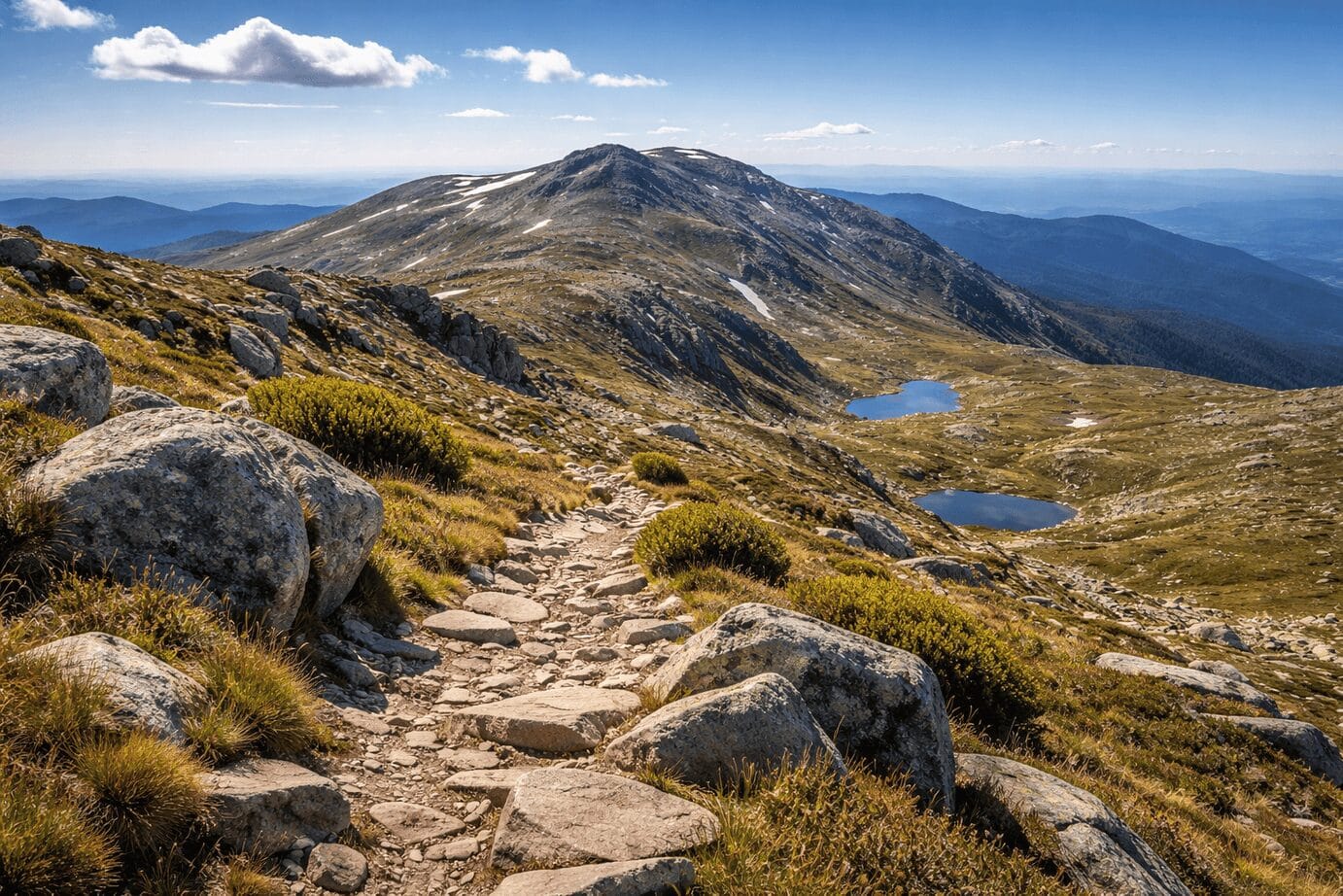
Standing at 2,228 meters above sea level, Mount Kosciuszko Australia represents more than just the highest point on the Australian mainland. This iconic peak in the Snowy Mountains draws thousands of adventurers, nature enthusiasts, and casual hikers each year, offering an accessible yet rewarding alpine experience unlike any other on the continent.
The Legacy of Mount Kosciuszko Australia
Named by Polish explorer Paul Strzelecki in 1840 after Polish-Lithuanian military and political leader Tadeusz Kościuszko, Mount Kosciuszko Australia carries a rich historical significance that extends far beyond its geographical prominence. The mountain sits within Kosciuszko National Park, a protected wilderness area spanning over 690,000 hectares in New South Wales.
The indigenous Ngarigo people knew this land long before European settlement, calling the mountain “Tar-gan-gil” and using the surrounding alpine regions for seasonal gatherings and ceremonies during the summer months. Their deep connection to this landscape spans thousands of years, with the mountain serving as an important cultural and spiritual landmark.
When you approach Mount Kosciuszko Australia today, you’re walking in the footsteps of countless others who have been drawn to this peak. From early European explorers to modern-day mountaineers seeking to complete the Seven Summits challenge, the mountain has welcomed all who respect its environment and understand its place in Australia’s natural heritage.
Why Mount Kosciuszko Australia Attracts Global Attention
As the highest mountain on mainland Australia, Mount Kosciuszko Australia holds a special place in the hearts of adventurers worldwide. It forms part of the Seven Summits challenge, where mountaineers attempt to climb the highest peak on each continent. While it may not present the technical difficulties of Everest or Denali, the mountain offers its own unique rewards and challenges.
The accessibility of Mount Kosciuszko Australia makes it particularly appealing. Unlike many of the world’s highest peaks, this summit can be reached without specialized climbing equipment, technical mountaineering skills, or months of preparation. A reasonably fit individual can complete the journey in a single day, making it possible for families, casual hikers, and first-time mountain climbers to experience the thrill of standing on a continental high point.
This accessibility shouldn’t diminish the accomplishment. Weather conditions can change rapidly in the alpine environment, and the elevation gain still requires physical fitness and proper preparation. The mountain demands respect, regardless of the season or chosen route.
Routes to the Summit
Two primary routes lead to the summit of Mount Kosciuszko Australia, each offering distinct experiences and challenges.
The Thredbo Route
The most popular approach begins at Thredbo, one of Australia’s premier ski resorts. This route starts with a chairlift ride to the top of the ski slopes, significantly reducing the initial elevation gain and making the journey more accessible. From the top of the Kosciuszko Express Chairlift, hikers face a 13-kilometer round trip with an elevation gain of approximately 690 meters.
The trail follows a well-maintained path, complete with metal mesh walkways in sensitive areas to protect the fragile alpine vegetation. The journey typically takes between five to seven hours, depending on fitness levels and weather conditions. During summer months, wildflowers carpet the landscape, creating stunning displays of color against the rugged mountain backdrop.
Starting from Thredbo offers several advantages. The village provides ample accommodation options, restaurants, and equipment rental facilities. The chairlift operation means hikers can begin their ascent at a higher elevation, conserving energy for the summit push and descent.
The Charlotte Pass Route
The alternative route from Charlotte Pass provides a more traditional hiking experience, starting from Australia’s highest village at 1,760 meters elevation. This 18-kilometer round trip offers a longer, more gradual ascent, following the original tourist track that has guided visitors up Mount Kosciuszko Australia for generations.
Charlotte Pass attracts those seeking a quieter, more contemplative mountain experience. The longer approach allows hikers to better acclimatize to the altitude and immerse themselves in the alpine environment. The path winds through pristine wilderness, crossing alpine meadows and offering panoramic views of the surrounding Snowy Mountains.
This route requires more time commitment, typically taking seven to nine hours to complete. However, the extended journey rewards hikers with a deeper connection to the landscape and a greater sense of achievement upon reaching the summit.
Seasonal Considerations
The experience of climbing Mount Kosciuszko Australia varies dramatically with the seasons, each offering unique advantages and challenges.
Summer Hiking Season
December through March represents prime hiking season for Mount Kosciuszko Australia. Temperatures at the summit typically range from 5 to 15 degrees Celsius, though conditions can vary significantly. Snow has largely melted from the trails, making navigation straightforward and reducing the need for specialized equipment.
Summer brings the alpine wildflowers to life. Species found nowhere else on earth bloom across the mountain slopes, creating a botanical spectacle that attracts nature photographers and wildflower enthusiasts from around the world. The longer daylight hours provide ample time for the ascent and descent, even for slower-paced hikers.
However, summer also brings crowds. Weekends and school holidays see hundreds of people attempting the summit, particularly via the Thredbo route. Those seeking solitude should consider weekday ascents or the Charlotte Pass route.
Winter Adventures
Winter transforms Mount Kosciuszko Australia into a snow-covered wonderland, presenting an entirely different proposition for visitors. From June through August, the mountain becomes a destination for ski touring and snowshoeing, requiring proper equipment, winter skills, and careful planning.
Winter ascents demand respect for the environment. Whiteout conditions can develop rapidly, temperatures plummet well below freezing, and navigation becomes significantly more challenging. Only experienced winter hikers with appropriate gear should attempt summit bids during these months.
The rewards for those prepared for winter conditions are substantial. The snow-covered landscape offers pristine beauty, and the reduced visitor numbers provide a sense of wilderness solitude rarely experienced during summer months.
Shoulder Seasons
Spring and autumn present intermediate conditions on Mount Kosciuszko Australia. Snow may still cover higher elevations in spring, while autumn brings cooler temperatures and the possibility of early winter storms. These seasons offer excellent conditions for experienced hikers while avoiding summer crowds.
Flora and Fauna
The ecosystems surrounding Mount Kosciuszko Australia represent some of the rarest and most fragile environments in Australia. The alpine and subalpine zones contain numerous endemic species found nowhere else on earth.
Alpine wildflowers bloom in spectacular displays during summer, with species like the silver snow daisy, alpine sunray, and alpine marsh-marigold creating carpets of color across the landscape. These plants have adapted to the harsh conditions of the high country, developing specialized strategies to survive short growing seasons, intense UV radiation, and dramatic temperature fluctuations.
Wildlife encounters enhance the Mount Kosciuszko Australia experience. The mountain pygmy possum, one of Australia’s most endangered mammals, inhabits the boulder fields near the summit. Wallabies graze in alpine meadows, while wedge-tailed eagles soar on thermal currents above the peaks. During summer, numerous bird species visit the high country to breed and feed.
The delicate nature of these ecosystems means visitors must exercise extreme care. Staying on designated trails protects fragile vegetation that may take decades to recover from trampling. The metal walkways installed along popular routes prevent erosion and vegetation damage while still allowing hikers to experience the landscape.
Preparation and Essential Gear
Successful ascents of Mount Kosciuszko Australia require proper preparation, regardless of the season or chosen route.
Essential gear includes sturdy hiking boots with good ankle support, as the rocky terrain can challenge even experienced hikers. Weather conditions change rapidly in alpine environments, so layered clothing allows adjustment as temperatures fluctuate throughout the day. A waterproof jacket and pants protect against sudden rain or snow, while a warm layer guards against cold temperatures at the summit.
Navigation tools remain important despite well-marked trails. Carry a detailed map and compass, and consider a GPS device or smartphone with offline maps as backup. Weather can obscure trail markers, and having multiple navigation methods provides security.
Sun protection is crucial at high elevation. The thinner atmosphere offers less protection from UV radiation, making sunscreen, sunglasses, and a wide-brimmed hat essential items. Even on cloudy days, UV exposure remains high.
Adequate food and water ensure energy for the journey. Carry at least two liters of water per person, along with high-energy snacks and lunch. Water sources exist along the trails, but proper filtration or purification is necessary before drinking.
A first aid kit, emergency shelter, headlamp, and whistle round out essential safety equipment. While most hikes proceed without incident, being prepared for emergencies demonstrates responsible mountain use.
Environmental Responsibility
Protecting the fragile ecosystems of Mount Kosciuszko Australia requires conscious effort from every visitor. The Leave No Trace principles provide an excellent framework for minimizing environmental impact.
Stay on designated trails at all times. The alpine vegetation recovers slowly from damage, and creating new paths contributes to erosion and habitat destruction. The installed walkways may seem unnecessary on clear days, but they protect sensitive areas that would otherwise be trampled by thousands of boots each season.
Pack out all rubbish, including organic waste like apple cores and banana peels. These items don’t belong in the alpine environment and can harm wildlife. Many hikers carry an extra bag to collect litter left by less conscientious visitors.
Respect wildlife by observing from a distance. Never feed animals, as human food can harm them and alter natural behaviors. Photography should never disturb wildlife or damage vegetation.
Cultural Significance
Understanding the cultural importance of Mount Kosciuszko Australia enriches the hiking experience. The mountain represents different things to different communities, all deserving respect and acknowledgment.
For the Ngarigo people, the high country holds deep spiritual and practical significance. Traditional pathways crossed these mountains, facilitating trade and cultural exchange between different groups. Seasonal gatherings allowed communities to come together, share resources, and maintain cultural practices.
European explorers saw the mountain as a symbol of discovery and conquest. Strzelecki’s naming of the peak connected the Australian landscape to broader world history, though it also reflected the colonial perspective of the era.
Today, Mount Kosciuszko Australia serves as a symbol of Australia’s natural heritage and environmental conservation efforts. The national park protecting the mountain represents a commitment to preserving wilderness for future generations.
Accommodation and Access
Planning a trip to Mount Kosciuszko Australia requires consideration of accommodation and access options.
Thredbo offers the widest range of accommodation, from luxury hotels to budget hostels and holiday apartments. The village provides restaurants, cafes, and shops, creating a comfortable base for mountain adventures. During winter, it operates as a ski resort, while summer sees a transformation into a mountain biking and hiking destination.
Charlotte Pass provides limited accommodation in a more isolated setting. The village consists of a few lodges and requires travel on unsealed roads during summer or over-snow transport in winter. This isolation appeals to those seeking a quieter mountain experience.
Jindabyne, the largest town near the national park, offers extensive accommodation options and serves as a gateway to the Snowy Mountains region. Located about 30 minutes from Thredbo, it provides a good base for exploring the broader area.
Camping within Kosciuszko National Park requires permits and follows strict regulations to protect the environment. Designated camping areas exist in lower elevations, though backcountry camping is restricted in many areas to minimize environmental impact.
Best Times to Visit
While Mount Kosciuszko Australia welcomes visitors year-round, optimal timing depends on your goals and experience level.
January and February offer the most reliable weather for summer hiking, with warm temperatures and minimal snow cover. However, these months also see peak crowds, particularly during school holidays.
March and April provide excellent conditions with fewer visitors. The weather remains generally favorable, though early winter storms can occur in April. Autumn colors begin appearing at lower elevations, adding visual interest to the landscape.
November offers spring conditions with wildflowers beginning to bloom, though snow may still cover the trails at higher elevations. This uncertainty adds an element of adventure but requires flexibility in planning.
Those interested in winter sports or winter hiking should target July and August when snow coverage is most reliable. However, these months demand appropriate skills and equipment.
Beyond the Summit
While reaching the top of Mount Kosciuszko Australia represents a significant achievement, the surrounding region offers numerous additional attractions and activities.
The Main Range walk extends beyond the summit, offering experienced hikers a multi-day alpine traverse. This challenging route traverses several peaks and provides an immersive wilderness experience.
Yarrangobilly Caves, located in the northern section of the national park, feature spectacular limestone formations and thermal pools. These caves offer a completely different perspective on the region’s natural wonders.
The Snowy Mountains Scheme, one of the most ambitious engineering projects in Australian history, created dams, tunnels, and power stations throughout the region. Visitor centers explain the scheme’s history and significance.
Mount Selwyn and Perisher offer additional winter sports opportunities, while summer reveals mountain biking trails, fishing spots, and backcountry exploration options.
Training and Fitness
While Mount Kosciuszko Australia doesn’t require technical climbing skills, adequate fitness enhances the experience and ensures safety.
Building cardiovascular endurance through regular hiking, running, or cycling prepares your body for the sustained effort required. Hill training specifically prepares muscles and cardiovascular system for elevation gain.
Strength training, particularly focusing on legs and core, reduces fatigue during the descent when many injuries occur. Simple exercises like squats, lunges, and step-ups build the necessary strength.
Practice hiking with a loaded backpack to simulate actual conditions. This prepares your shoulders and back for carrying the necessary equipment and supplies.
If traveling from sea level, arriving a day or two early allows some acclimatization to the elevation, though altitude sickness is rare at the relatively modest elevations of Mount Kosciuszko Australia.
Photography Opportunities
The landscapes surrounding Mount Kosciuszko Australia provide endless opportunities for photography enthusiasts.
Sunrise and sunset offer the most dramatic lighting, though this requires careful planning for summit attempts. Early starts allow photographers to capture dawn breaking over the Main Range, while afternoon descents can align with golden hour lighting.
The alpine wildflowers create spectacular macro photography subjects during summer months. The diversity of species and colors offers endless creative possibilities.
Weather patterns in the mountains create dynamic conditions. Storm clouds rolling across peaks, morning mist in valleys, and post-storm clarity all provide dramatic photographic opportunities.
Wildlife photography requires patience and respect for the animals. Long lenses allow capture of mountain pygmy possums, wallabies, and bird species without disturbing them.
Making the Most of Your Visit
Successful trips to Mount Kosciuszko Australia combine proper planning with flexibility and respect for the mountain environment.
Check weather forecasts before departing, but prepare for conditions to change. Mountain weather remains unpredictable, and being ready for various scenarios ensures safety and comfort.
Start early to avoid afternoon weather and allow ample time for the journey. Rushing increases injury risk and diminishes the experience.
Take time to appreciate the environment beyond simply reaching the summit. The journey offers as much value as the destination, with unique ecosystems and stunning landscapes throughout the route.
Consider hiring a guide for your first ascent. Local guides provide valuable insights into the environment, history, and ecology while ensuring safety and proper route finding.
Connect with other hikers on the trail. The shared experience of climbing Mount Kosciuszko Australia creates camaraderie, and the mountain community generally embraces a supportive, friendly atmosphere.
Conclusion
Mount Kosciuszko Australia stands as more than just the highest point on the mainland. It represents a accessible yet rewarding mountain experience, a fragile ecosystem requiring protection, a culturally significant landscape, and a symbol of Australia’s natural heritage.
Whether you approach from Thredbo or Charlotte Pass, in summer or winter, as a first-time hiker or experienced mountaineer, the mountain offers something valuable. The sense of accomplishment upon reaching the summit, the beauty of the alpine landscape, and the connection to both indigenous and European history combine to create a memorable experience.
Respect for the environment, proper preparation, and understanding of the mountain’s significance ensure that Mount Kosciuszko Australia remains accessible and pristine for future generations. As you plan your visit, remember that you’re not just climbing a mountain but participating in the ongoing story of this remarkable place.
The summit awaits, offering panoramic views across the Snowy Mountains and the satisfaction of standing at the top of mainland Australia. Your journey to Mount Kosciuszko Australia begins with a single step, and the memories created will last a lifetime.
More from The Daily Mesh:
- How to Know If You Have a Healthy Work-Life Balance: Signs, Strategies, and Self-Assessment
- Michael Kors Mina Large Chain Shoulder Bag – A Blend of Elegance and Bold Design
- 9 Genius Life Hacks That Actually Work (Backed by Science)